
Gothic Prints for Everyday Streetwear
Start With the Rail You Need
Hoodies
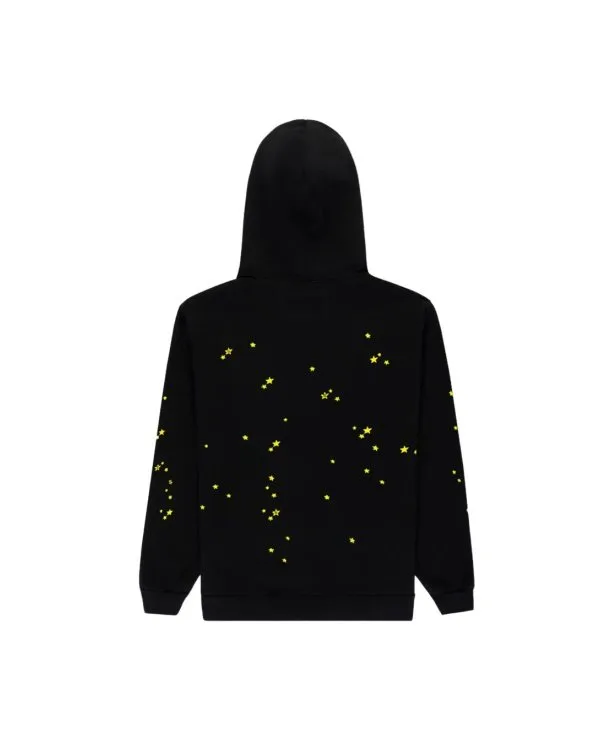
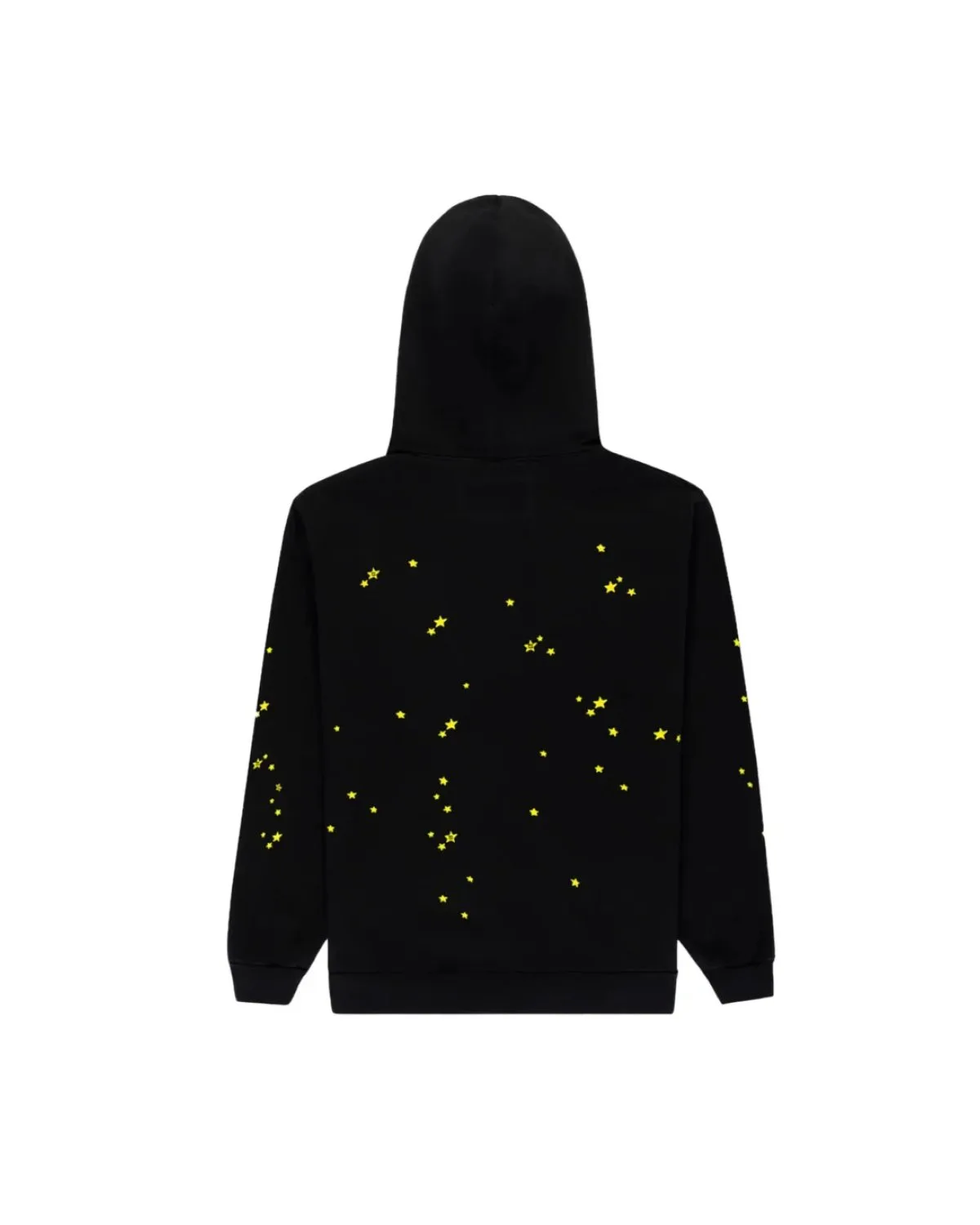
OG Web, Atlanta Star Print, Wait Web And Star Pattern Prints, Sized S To XXL.
T-Shirts
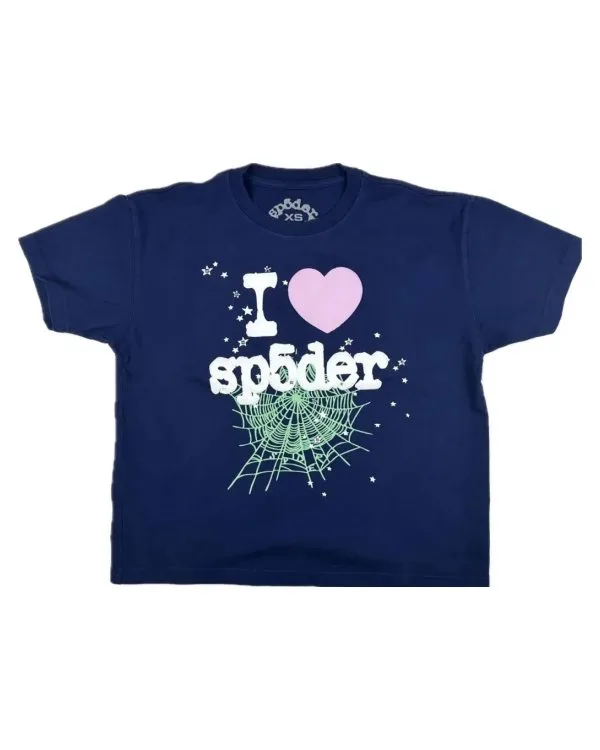
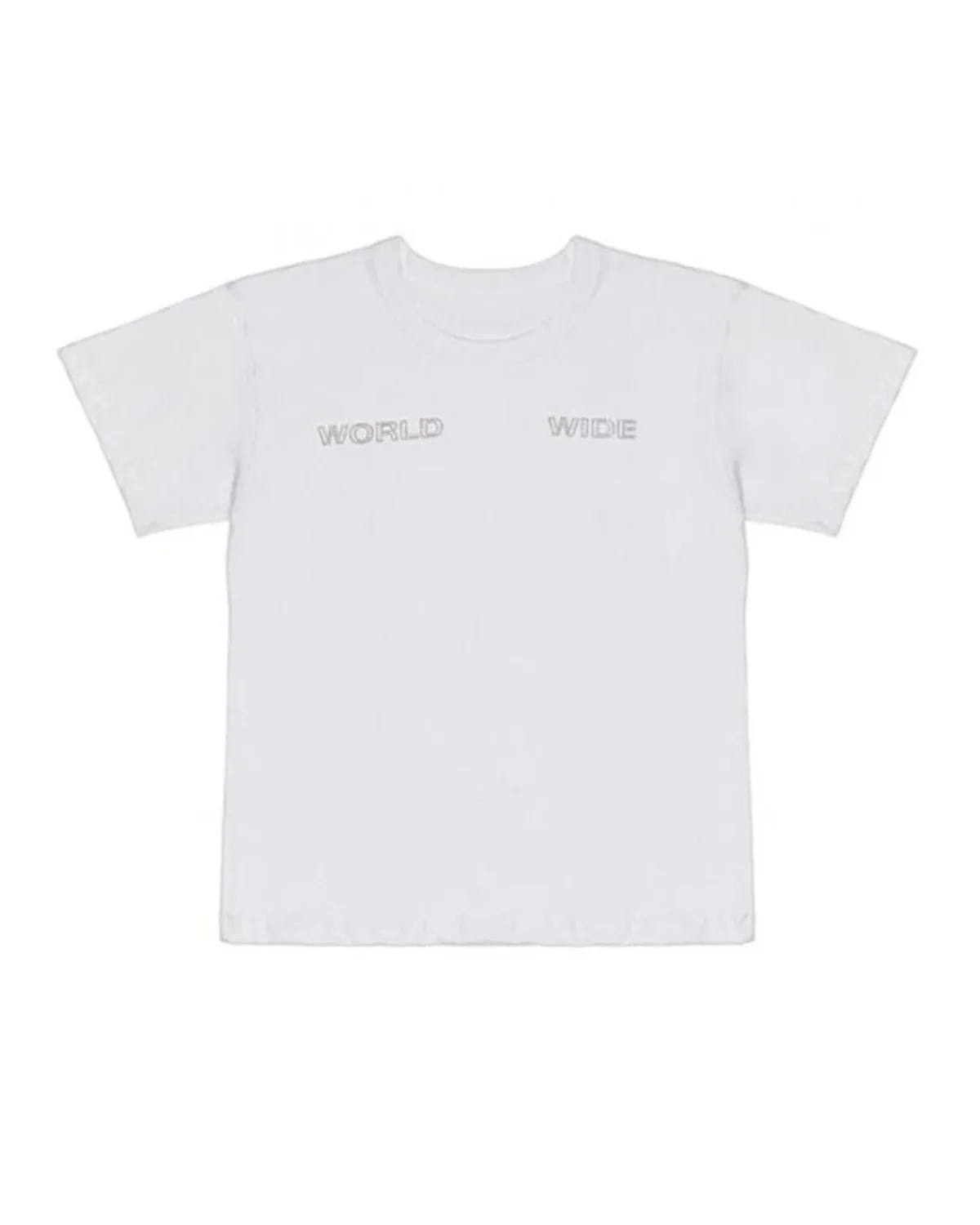
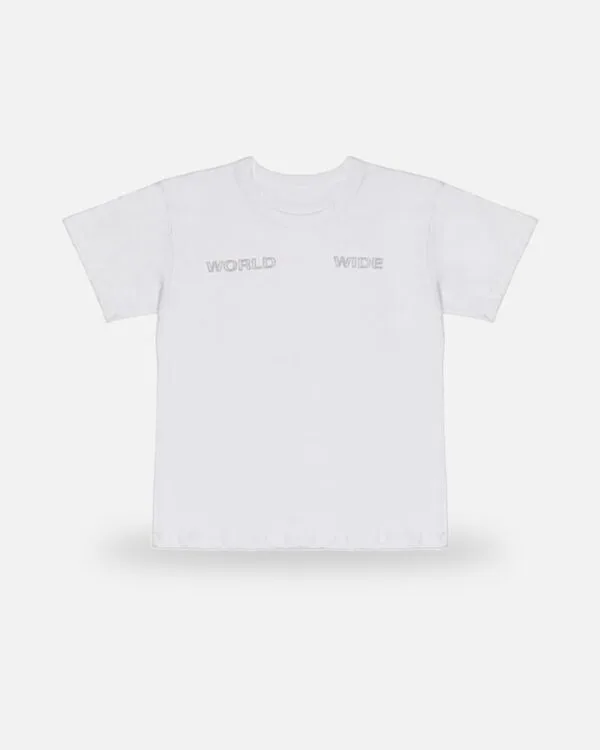
OG Web V2, Wide, I Love And Hellcat Kenny Graphics Across The Tee Rail.
Tracksuits
OG Web, Beluga, Ponk And Web Sets, Hoodie And Sweatpants In One Print.
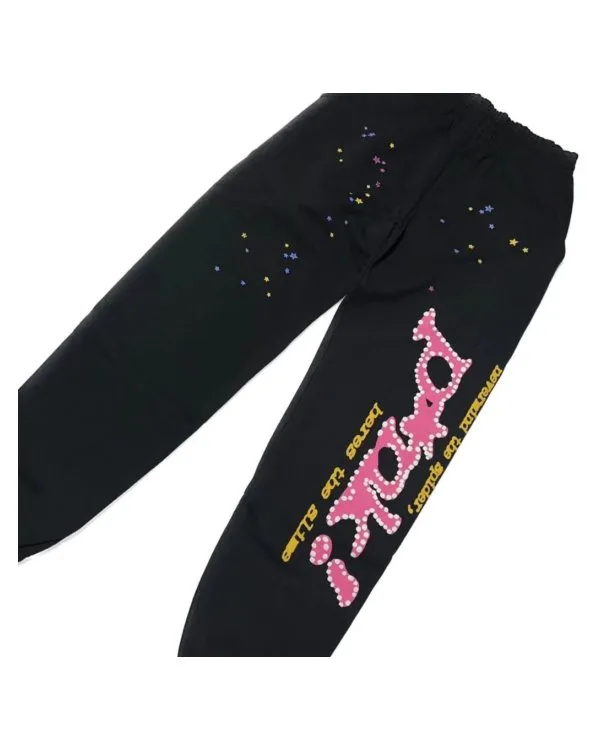
Sweatpants
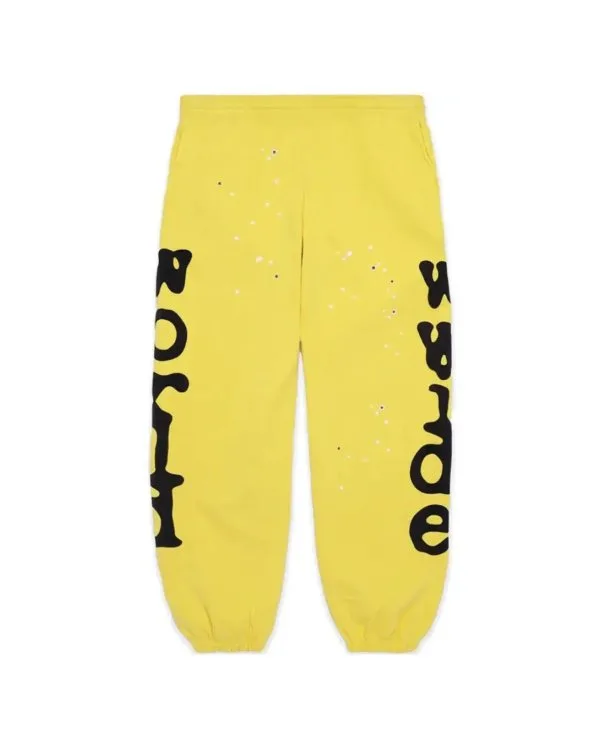
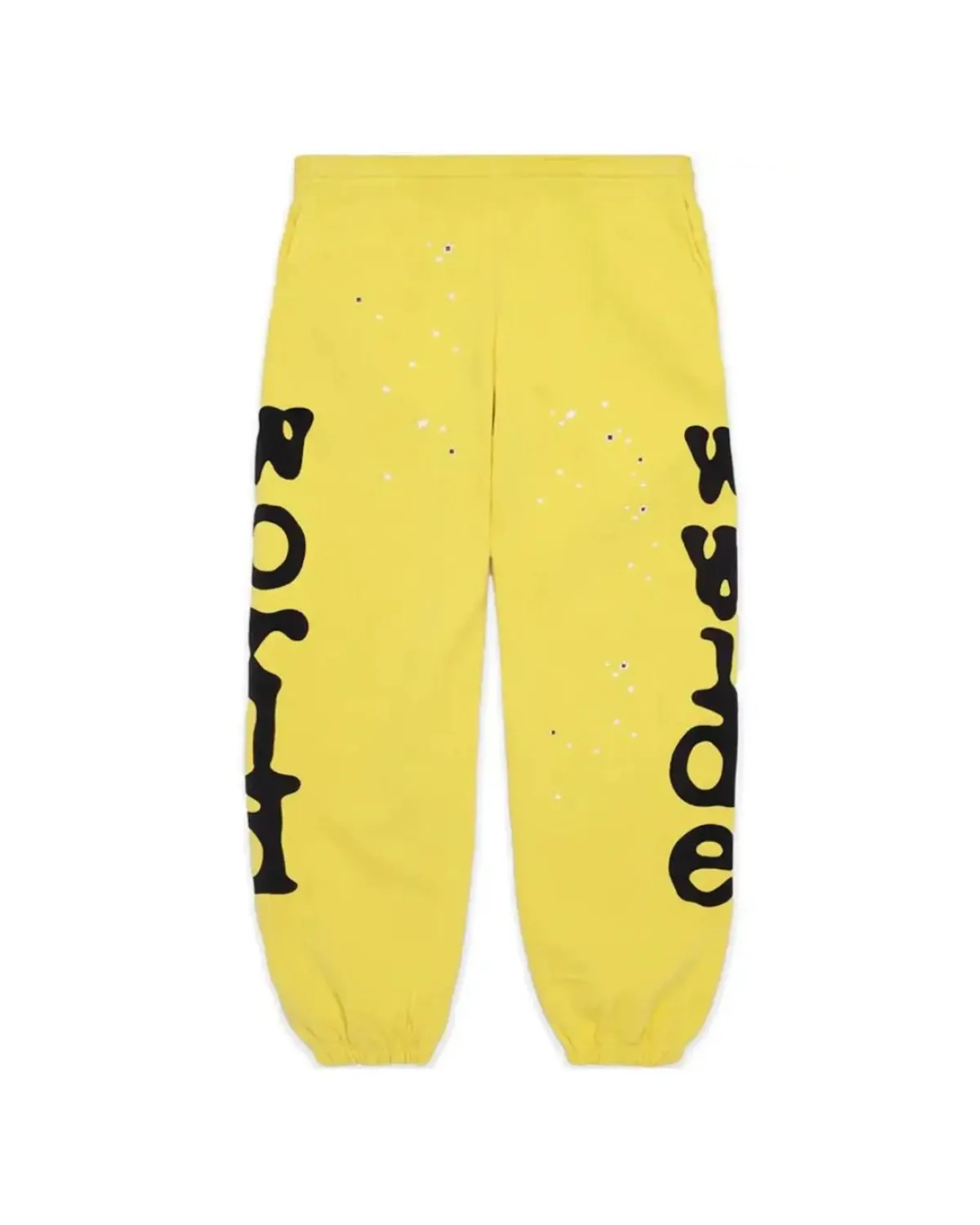
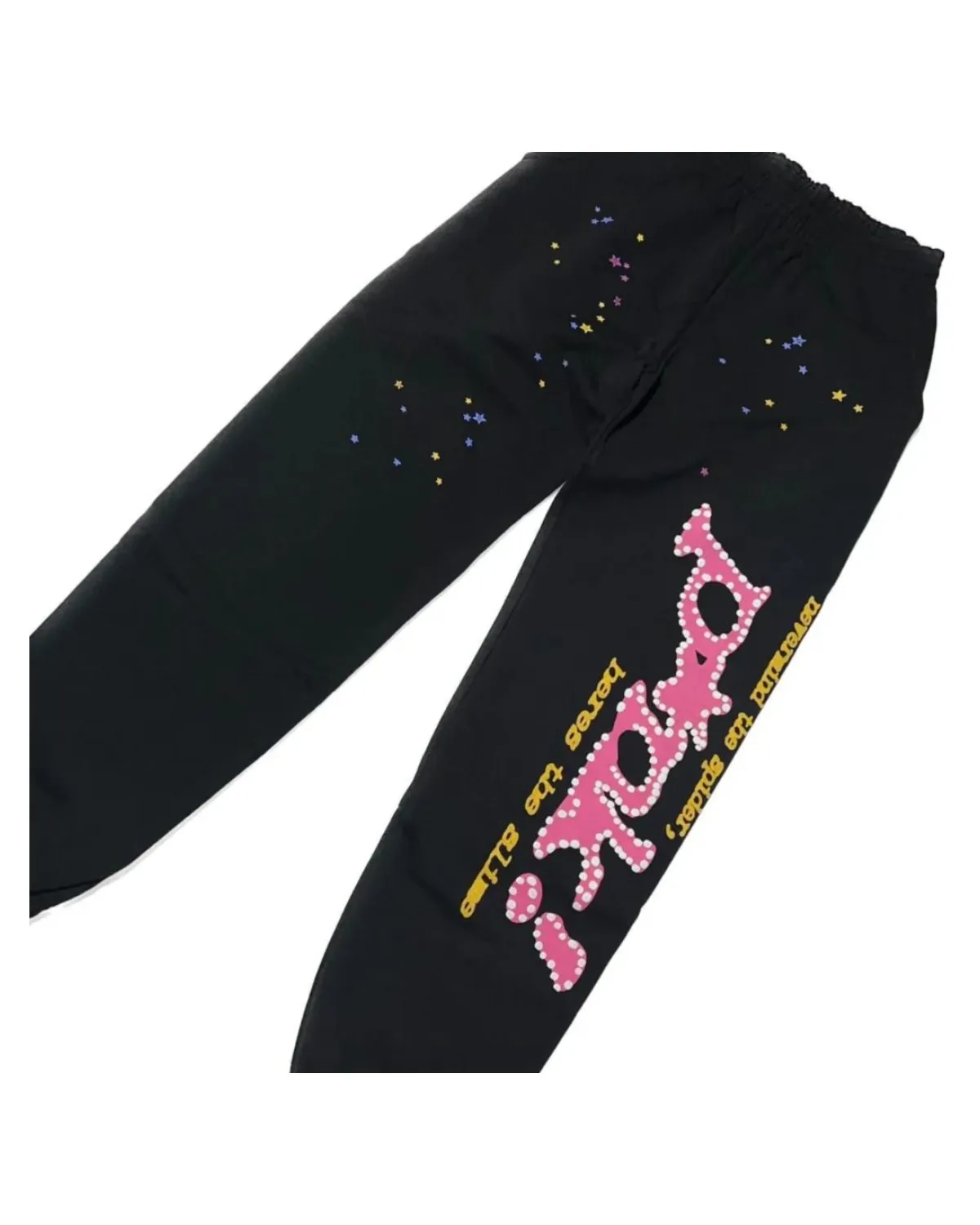
Ponk, Classic Flame Logo Graffiti, Cut On The Same Block.
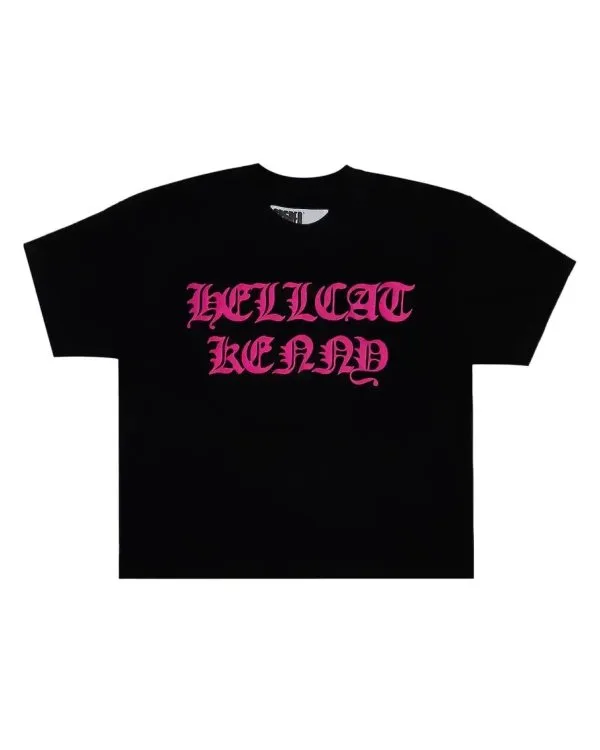
Shop All
Every Hoodie, Tee, Tracksuit And Sweatpant On One Rail, S To XXL.
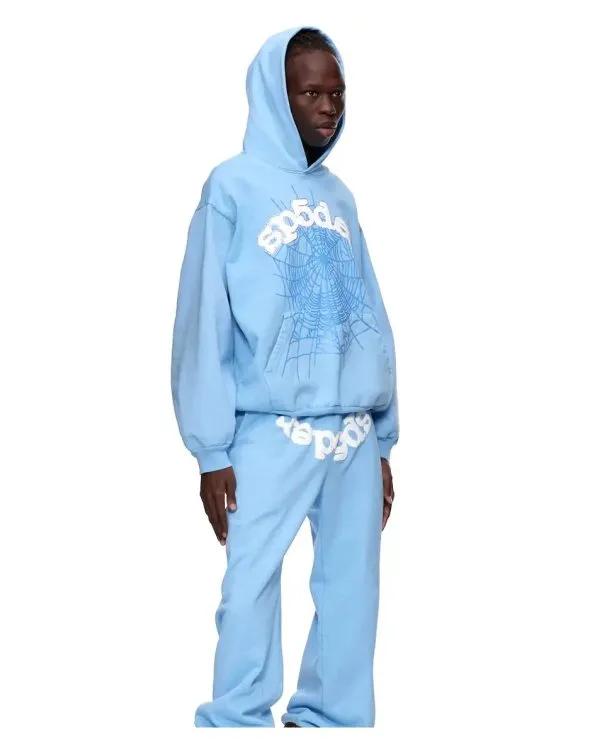
What's New
The Newest Prints On The Rail, Seen Here First.
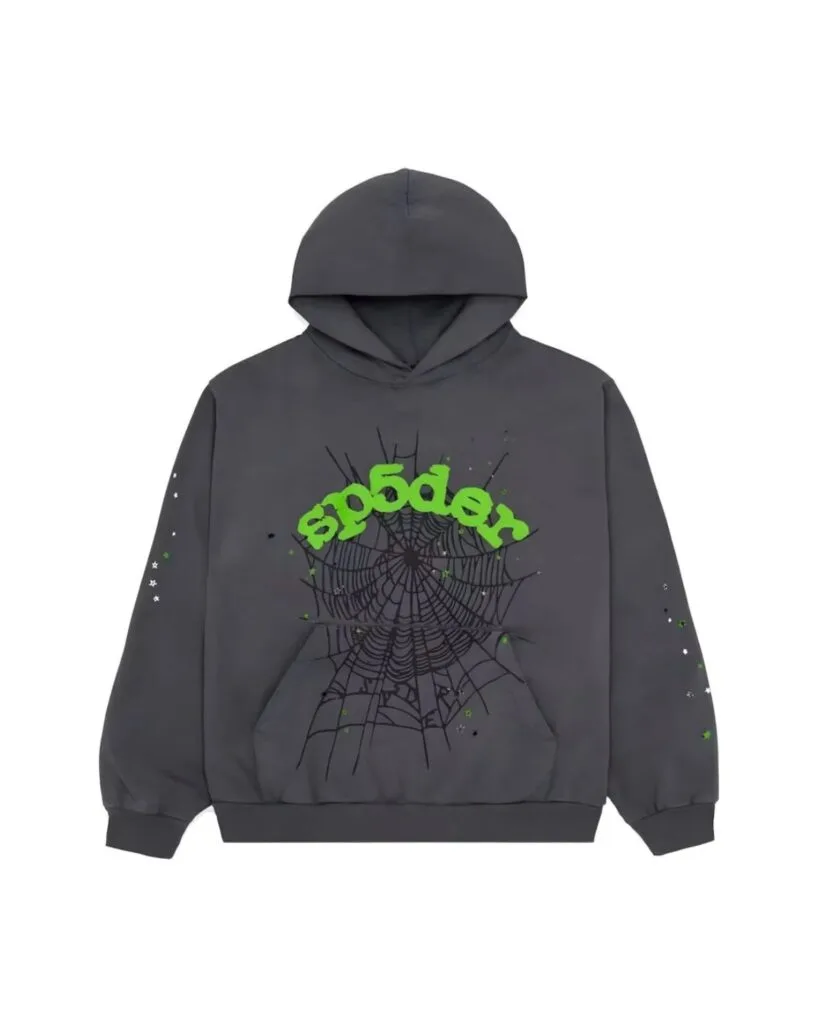
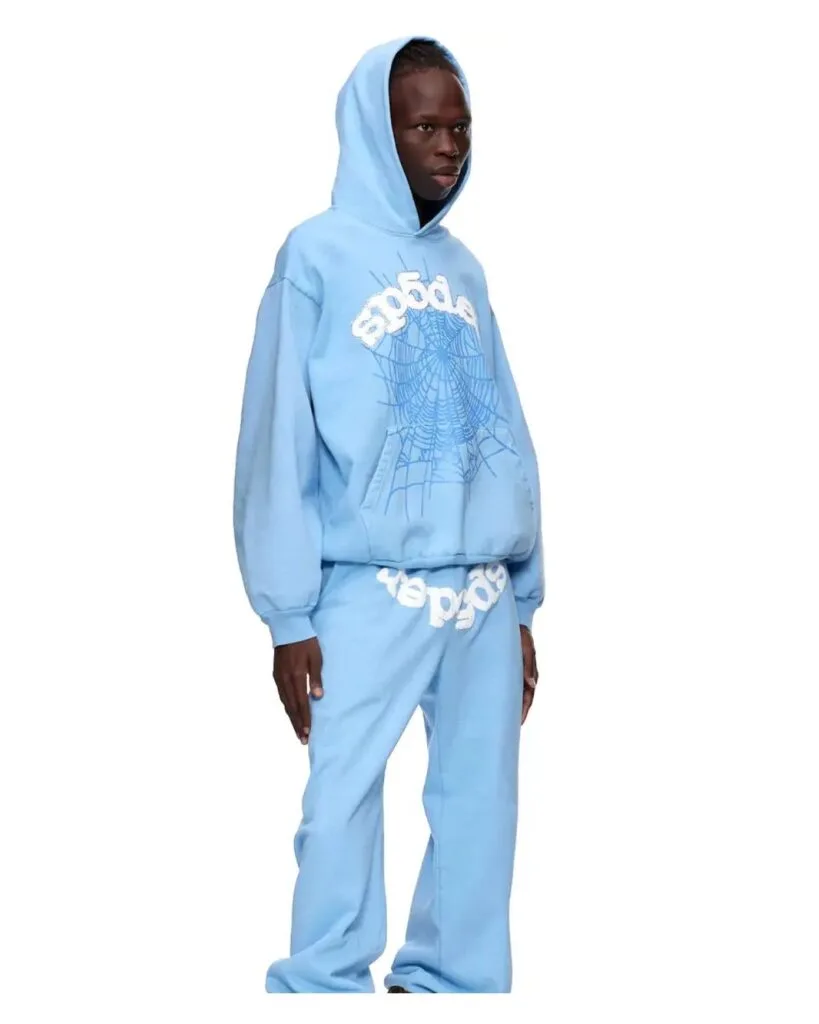
Fresh Spider Canada Clothing on the Rail
View all pieces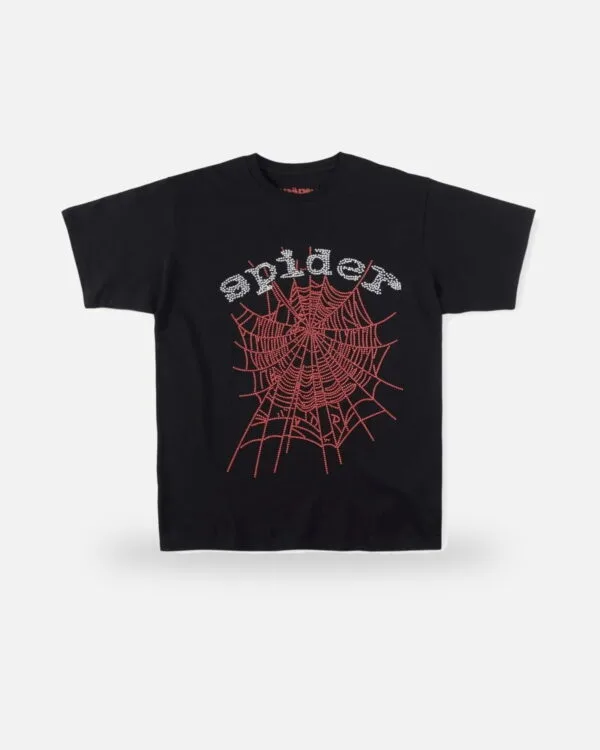
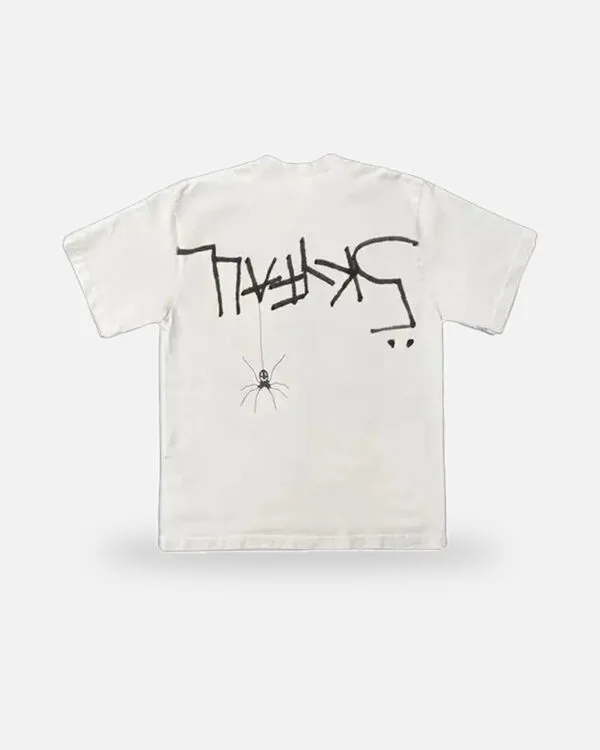
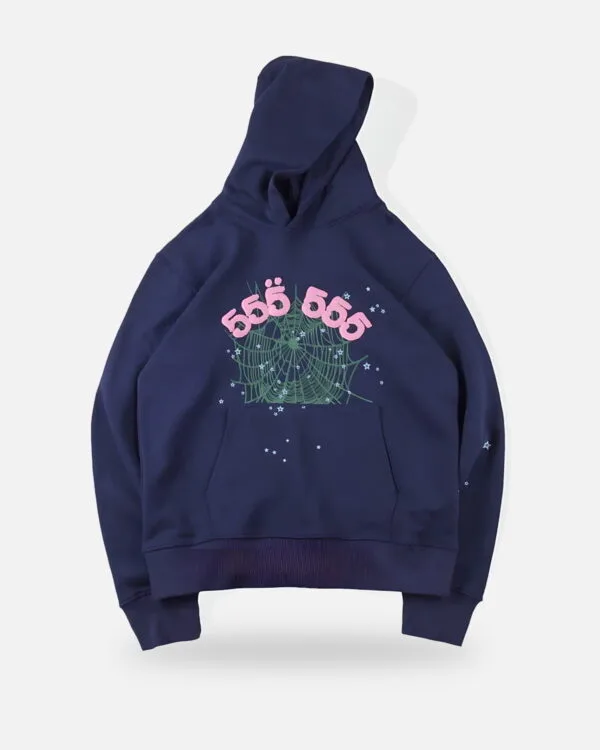
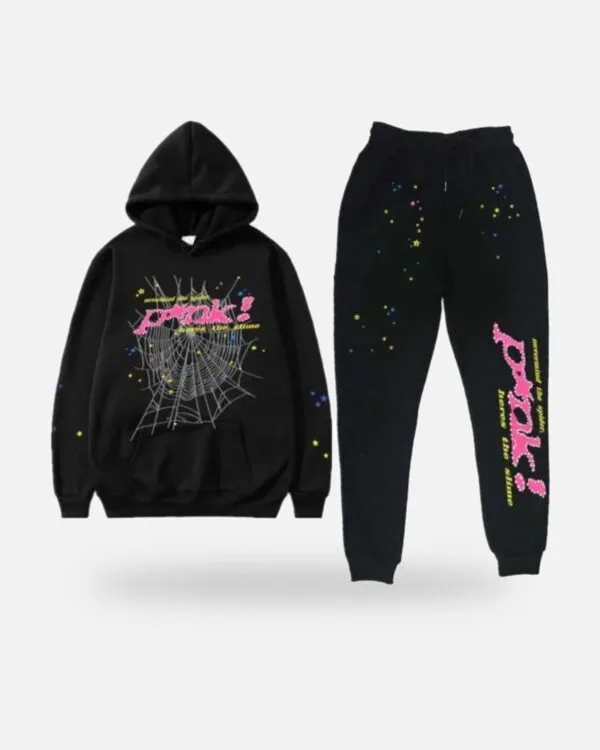
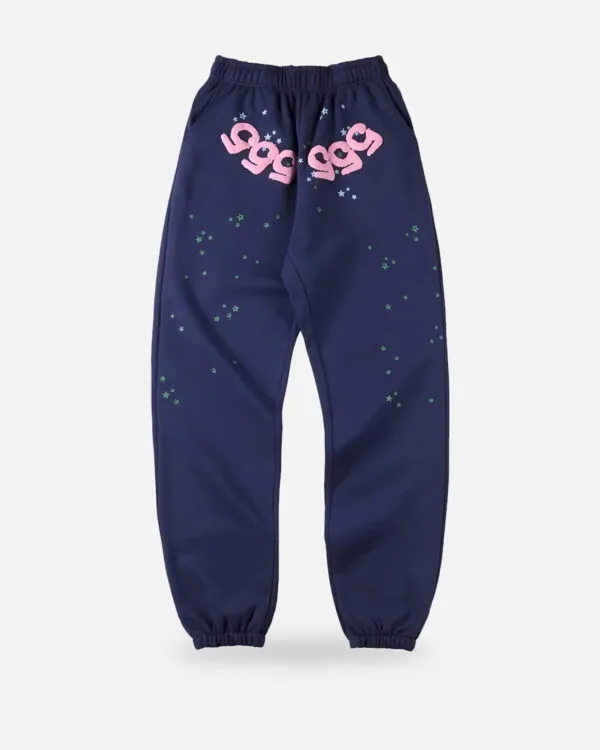
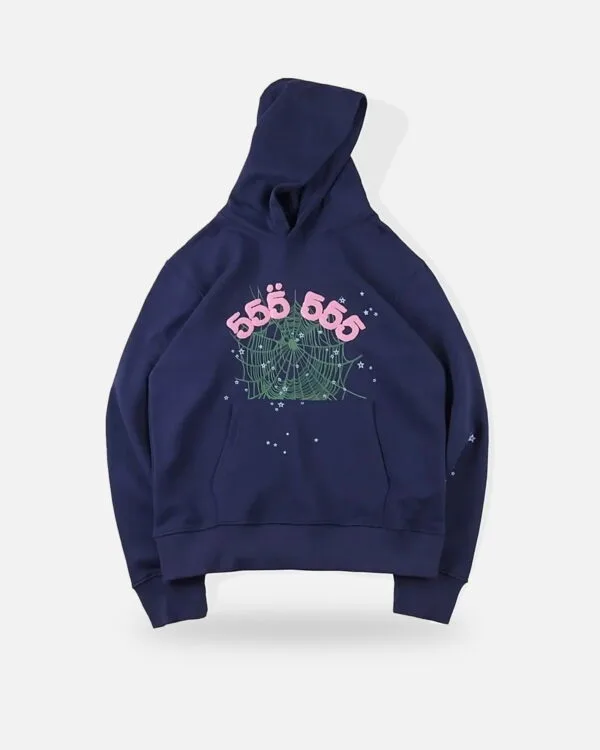
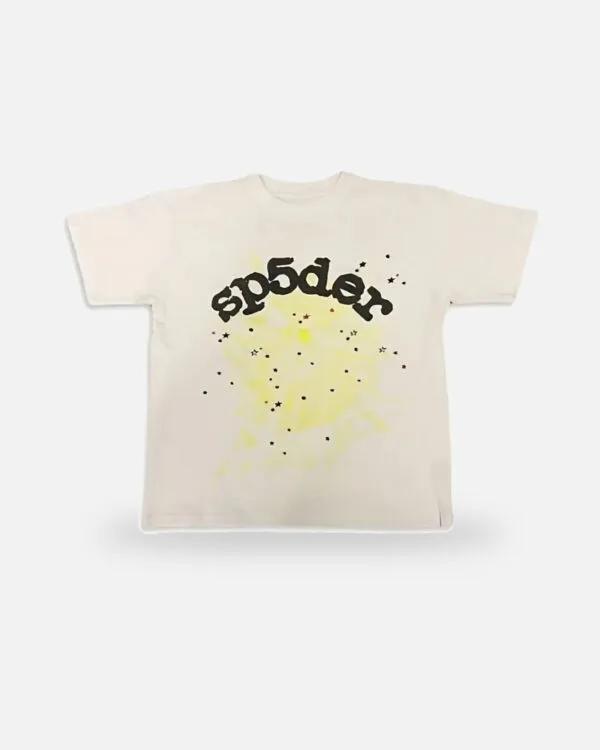
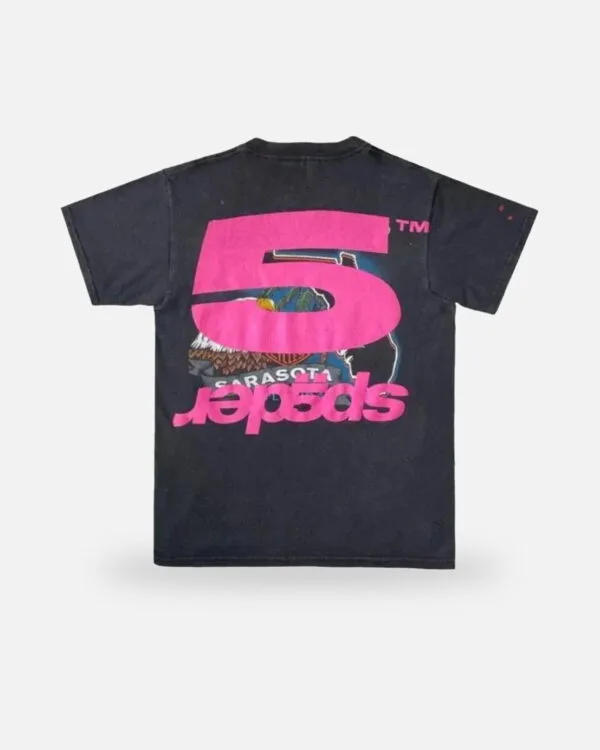
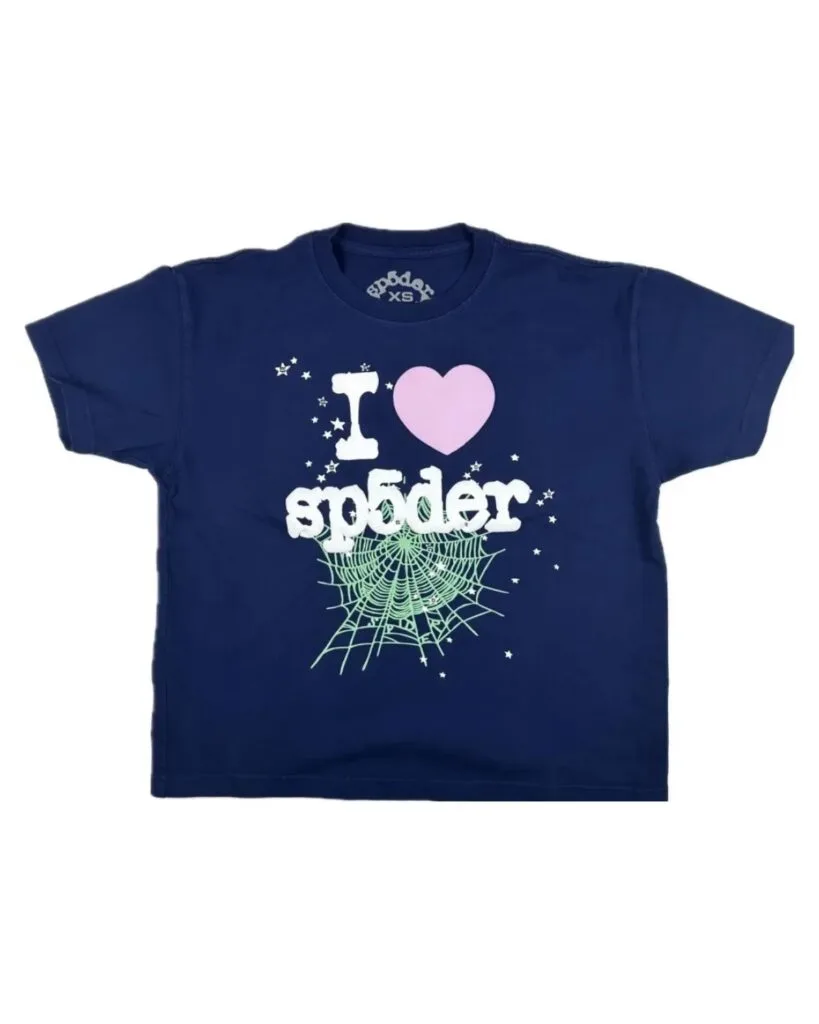
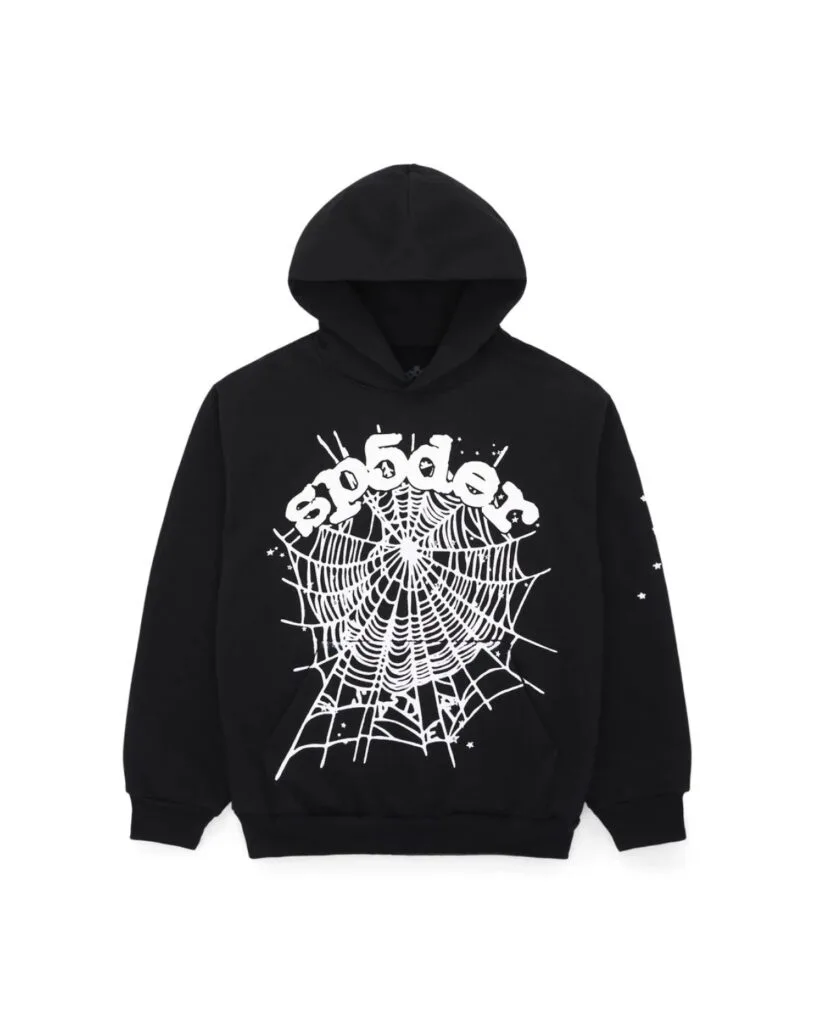
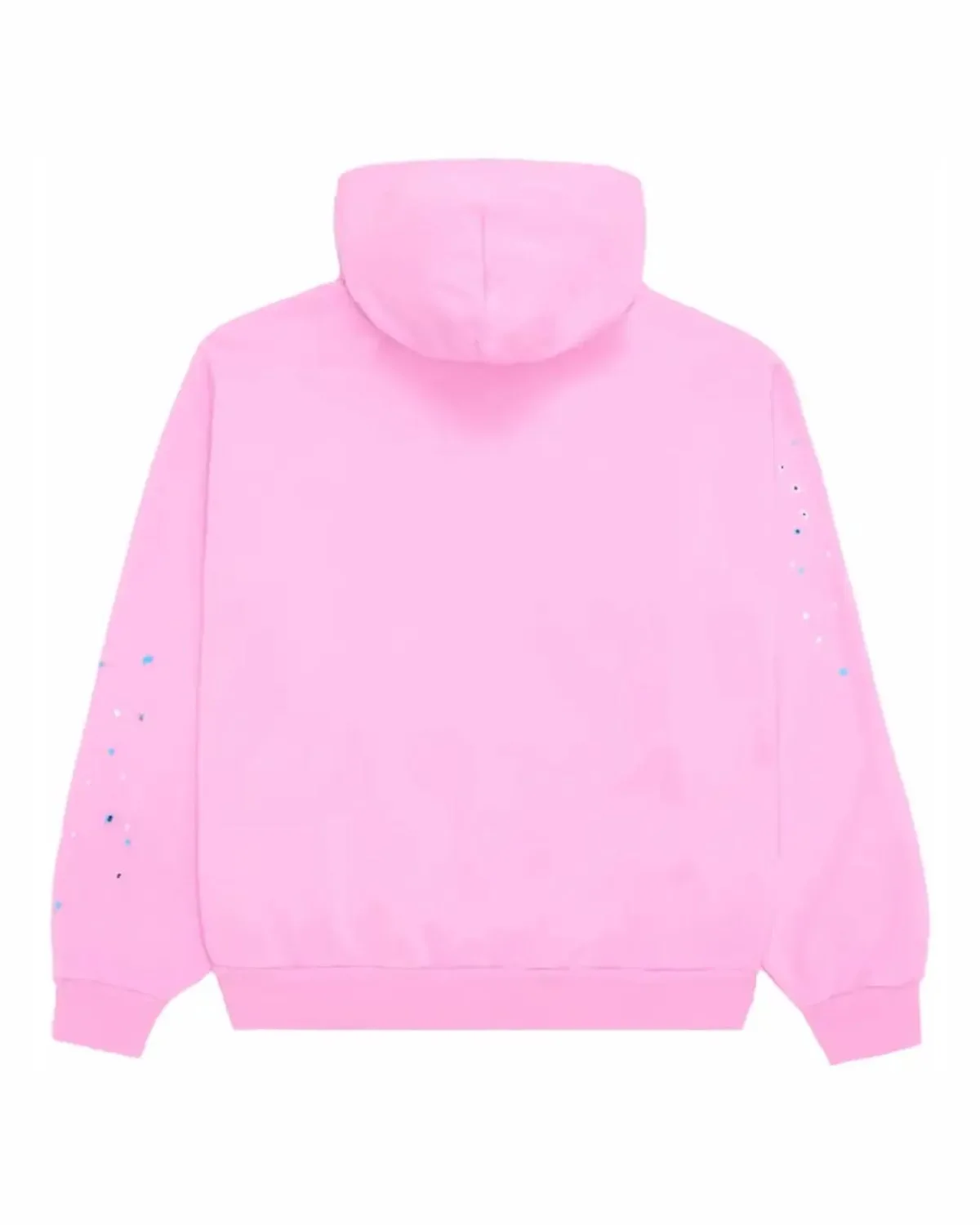
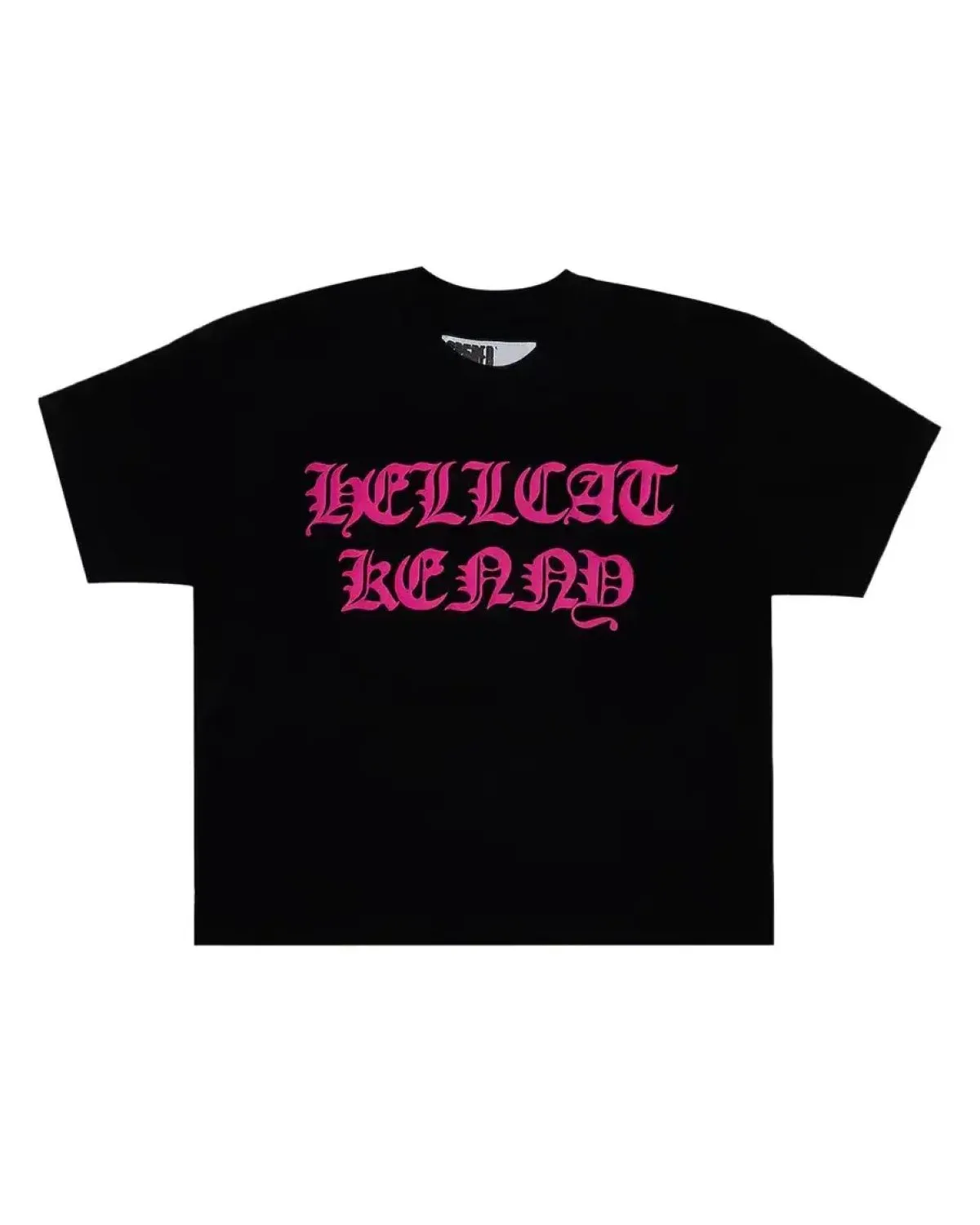
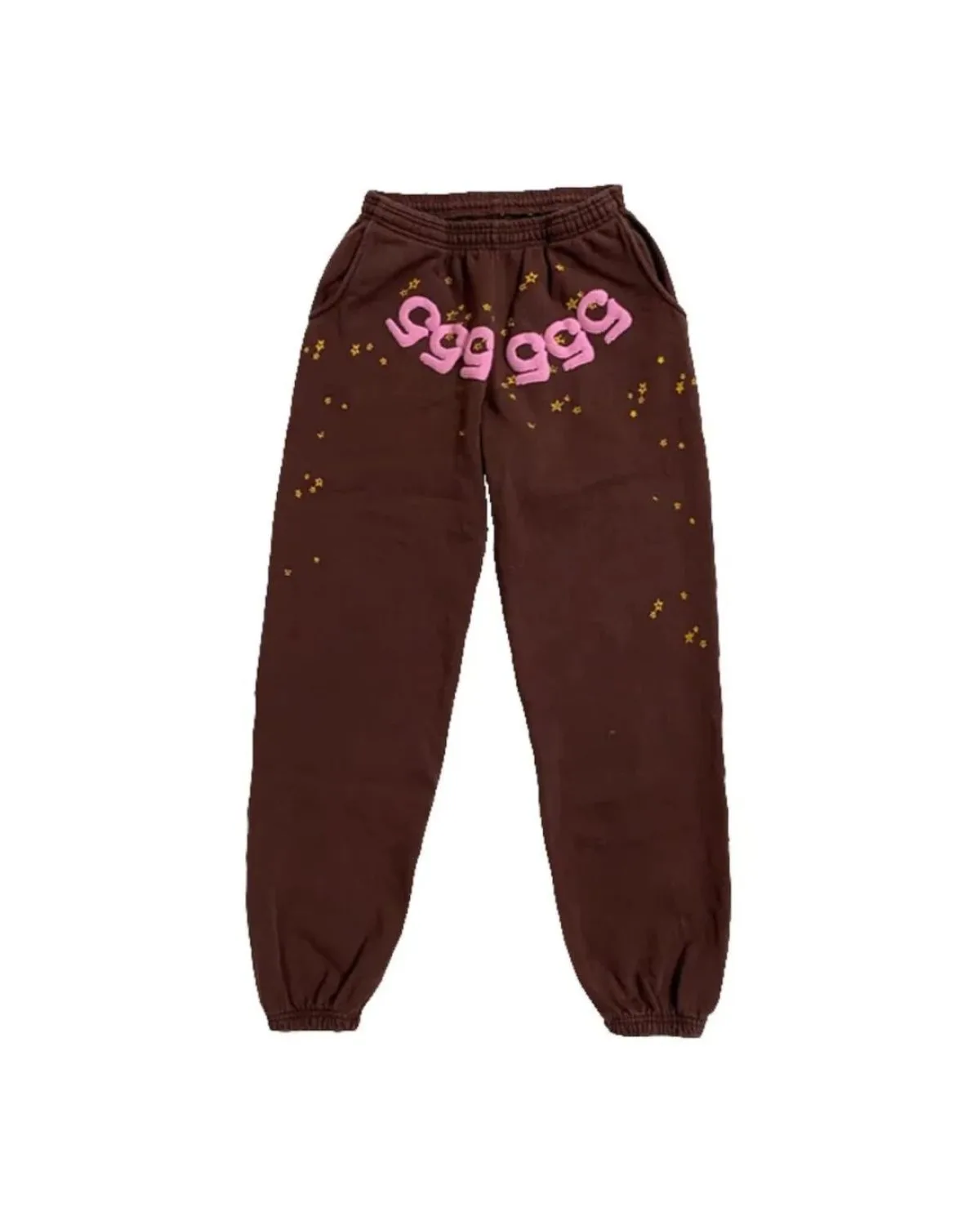
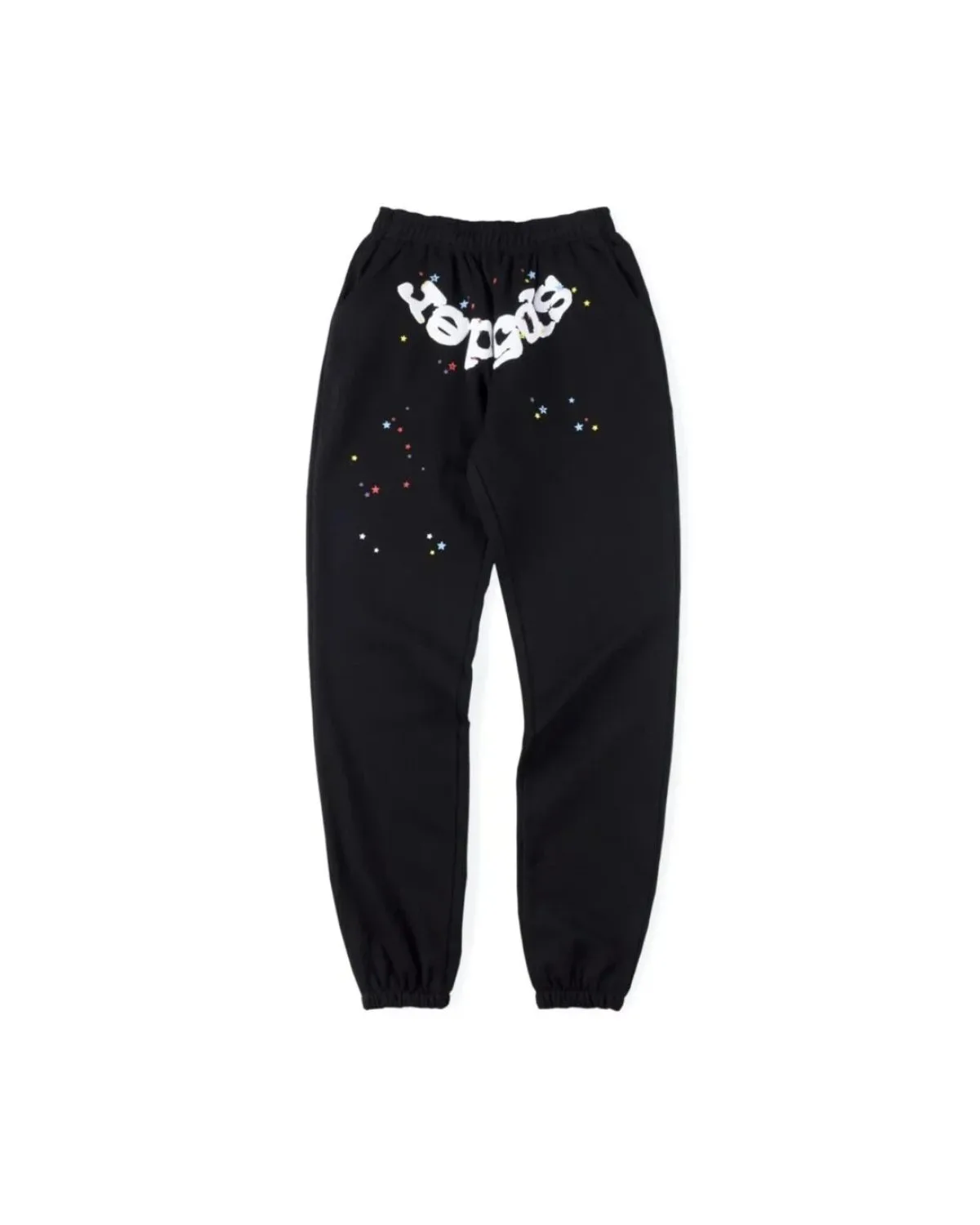
Latest Spider Canada Clothing Drops
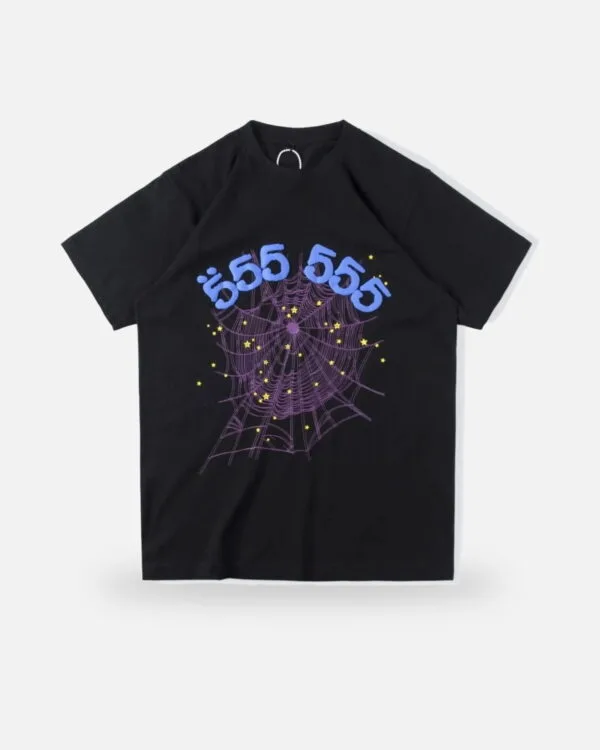

What Spider Canada Actually Makes
Small label, one rule: the print leads. Every piece on a Spider Canada rail starts as a drawing that has to survive cloth — fine linework, heavy lettering, wings, blades, the odd skull. Cannot hold up to a wash cycle and a winter of wear? Then it does not get printed. Narrow catalogue, and that is deliberate rather than a shortage.
Right now the rail is six hoodies, seven long sleeves, five tees, two tank tops, nine pairs of sweatpants and one pair of leggings. Thirty pieces. Sizes S, M, L and XL across the board, cut the same way from one garment to the next so a size that fits the tee fits the hoodie over it.
Half the categories on this site are still empty. They are marked that way rather than filled with filler. When shorts, caps, beanies and full sets arrive, they will carry the prints already running on the tops. Until then the pages stay open so the sizing and care notes are there when the stock lands.
Print first, garment second. That is the whole of it. Hoodies, long sleeves, tees, tanks and sweatpants all get built around a graphic — gothic lettering on some, fine branching linework on others — and the cloth under it stays plain so the two never argue. Thirteen prints are named here. Each one runs in a few colorways, not a dozen, which is why the rail is thirty pieces rather than three hundred. New to Spider Canada clothing? Then read on: what follows is the whole range, category by category, including the shelves that are still bare.
What Is on the Shelf Today
Everything Spider Canada stocks is built around one idea: a heavy cotton garment with a graphic big enough to be the reason you bought it. A hundred and fifty-six pieces are live at the moment across four rails, and they are drawn on shared blocks rather than as separate ranges, so a top from one and a leg from another sit together without one half fighting the other.
Fleece Pullovers: the Deepest Rail
Sixty-three pullovers make up the core, and they set the weight for everything else. The Spider Canada hoodies are built from 380 GSM cotton fleece with a brushed inner face, a lined drawcord hood, a kangaroo pocket and ribbed cuffs and hem. Sixty pull on over the head and three close with a full-length zip.
Jersey Tees: the Layer Underneath
Fifty-two tees cover the warmer months and the layer under fleece for the colder ones. The Spider Canada t-shirts come in two weights — a standard cotton jersey near 220 GSM and a heavyweight nearer 330 — both with a ribbed crew neck and a straight, square body that matches the shape of the pullovers.
Matching Sets and the Bottom Half
Buying a top and a leg separately leaves one problem that has nothing to do with taste: two garments dyed in the same shade months apart rarely land in exactly the same place, and on a strong color that gap shows from across a room.
Thirty-Eight Two-Piece Sets
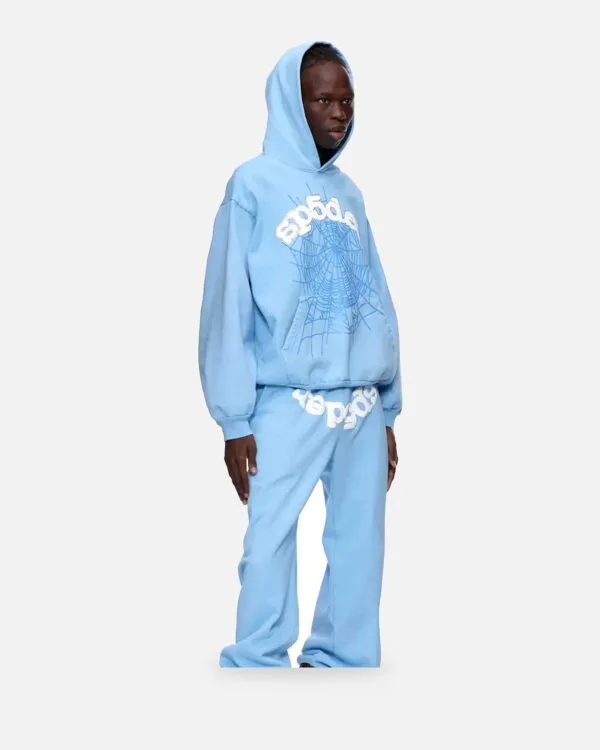
A set solves it by pairing a hooded top with the leg printed to match it, from one print run. The Spider Canada tracksuits run the same 380 GSM fleece on both halves, with a drawcord waist and an elasticated ankle cuff on the leg, and the print usually arches high across the thigh.
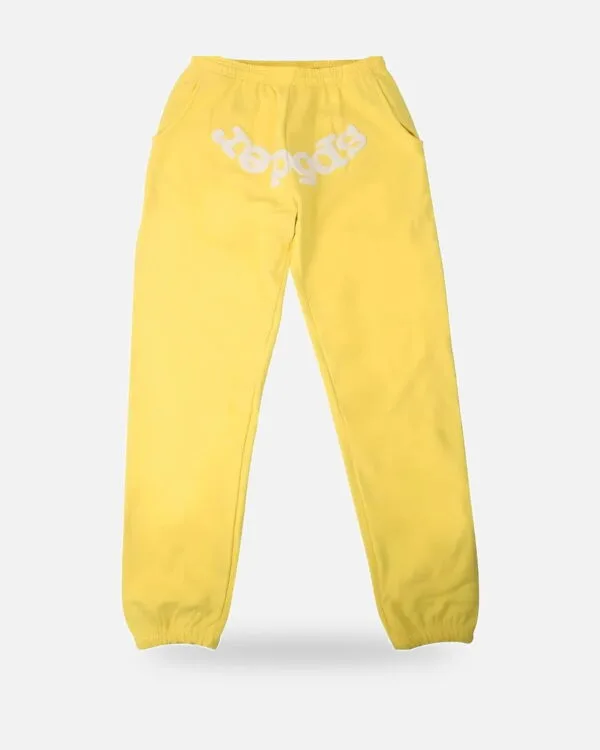
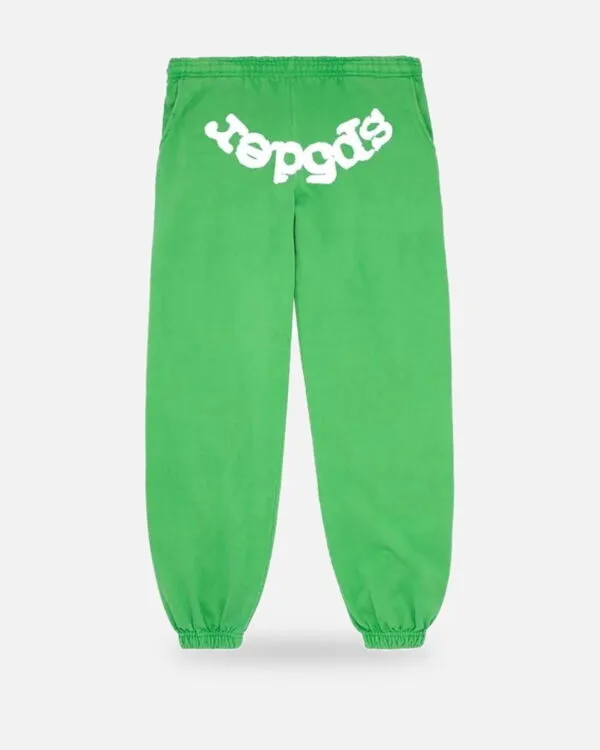
If you would rather build slowly, three pairs sit on their own rail. The Spider Canada sweatpants are cut relaxed through the seat and thigh with the same cuffed ankle, in the same fleece, so they balance a boxy top the way the set does.
The Print Language
One visual vocabulary runs across every rail. Knowing the families is the fastest way through a hundred and fifty-six pieces, because the garments underneath barely change.
Web Prints
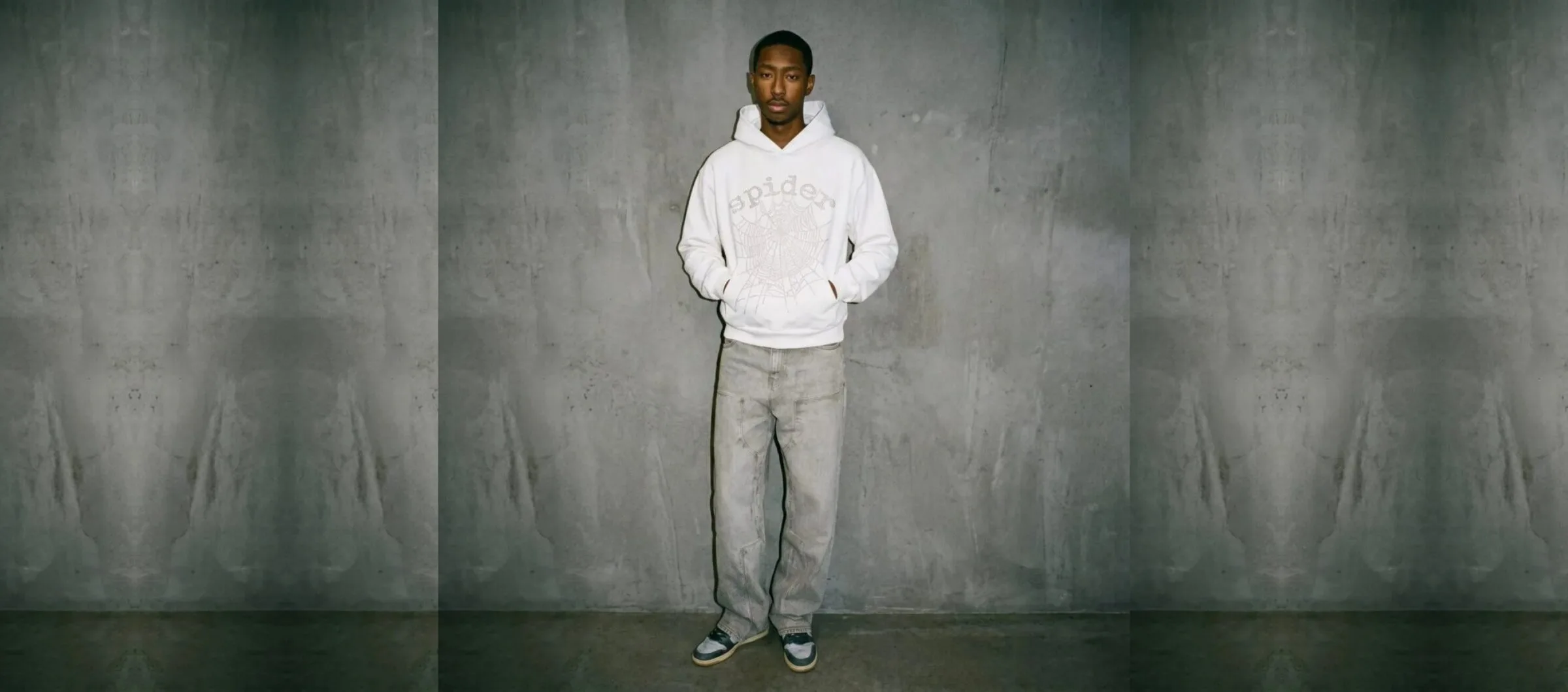
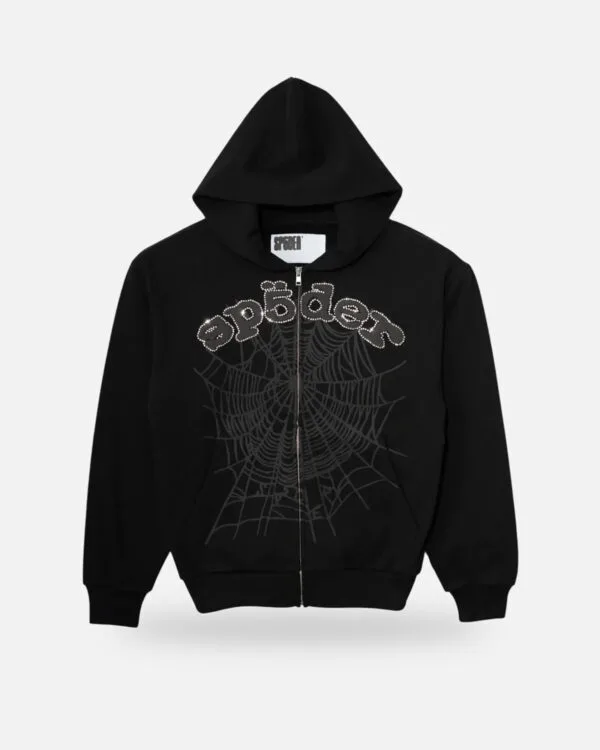
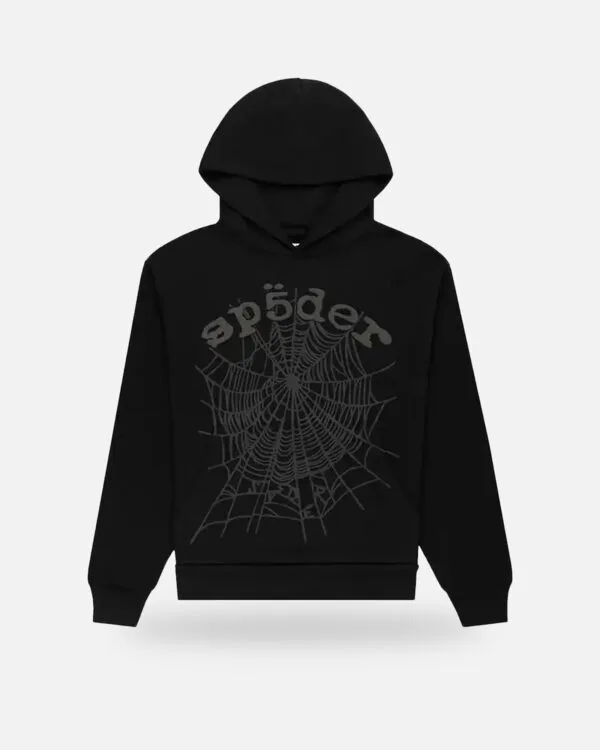
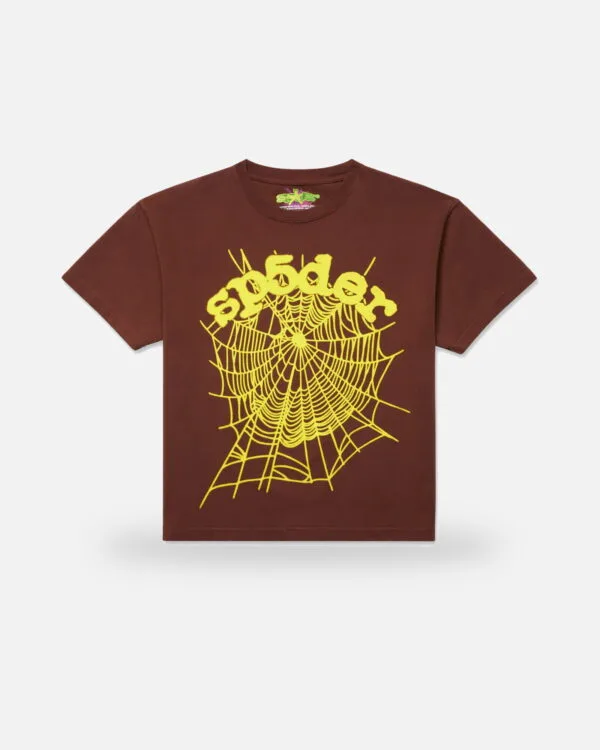
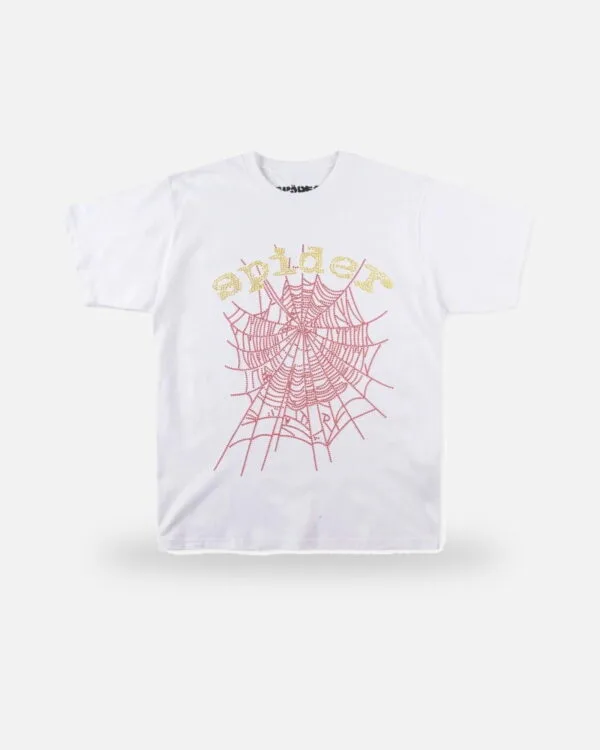
The signature is an arched bubble wordmark with a spider web spreading beneath it and small stars running down the sleeves or the leg. On the back there is usually a single star mark at the nape and very little else. About half the range belongs to this family, and it appears on fleece, jersey and sets alike. The clearest single reading of it is. the black Spider Canada web hoodie.
Rhinestone and All-Over Crystal
Two different things get called rhinestone. One sets the wordmark itself in crystal studs over a printed web. The other has no wordmark at all and scatters stones across the whole garment — body, sleeves, hood, front and back. The second is noticeably heavier and wants a mesh bag in the wash. The black all-over crystal hoodie is the clearest of these.
Puff Lettering, Numerals and All-Over Repeats
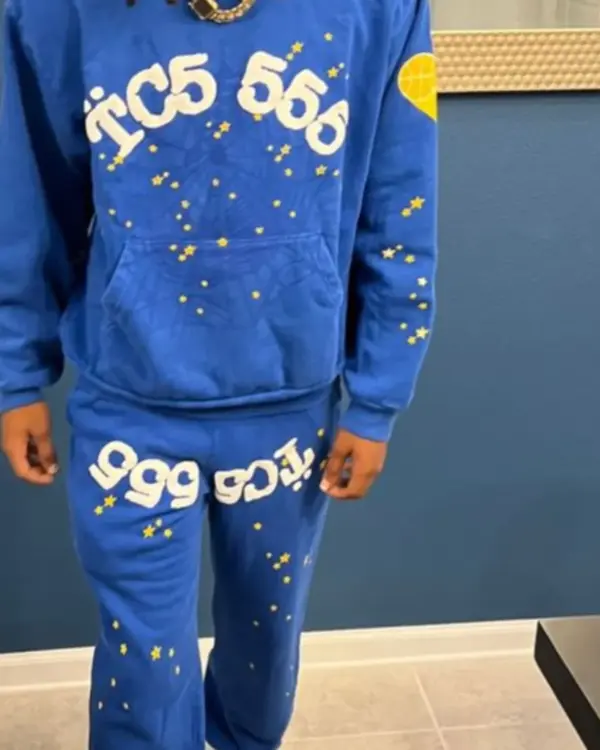
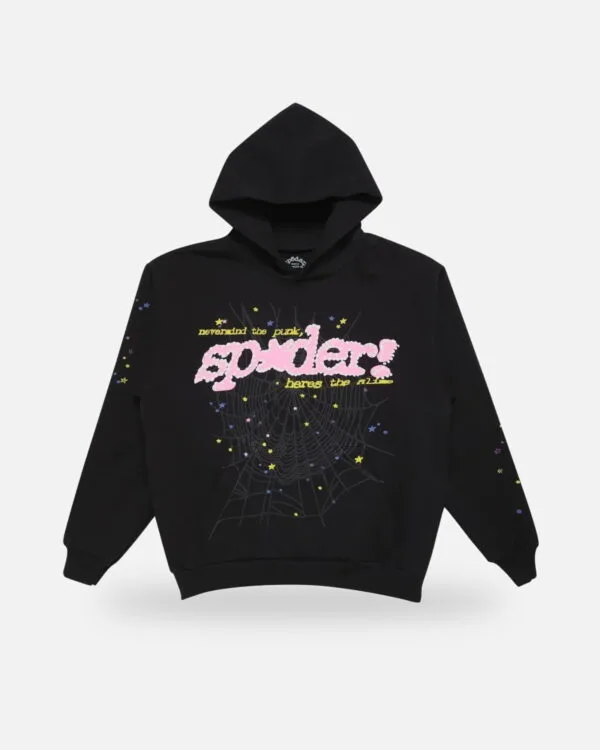
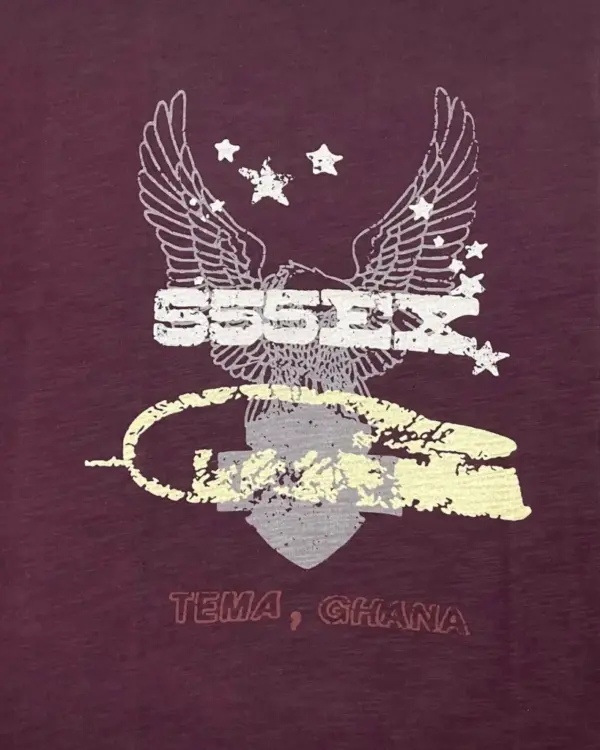
A third family works in thick puff letters with oversized stars set through the words, raised enough to read by touch. A fourth arches 555 or 666 over a web in place of the wordmark. A fifth repeats a single star shape across the body, the sleeves and the hood at several sizes, which is as loud as the range gets. The gold Spider Canada puff hoodie carries that lettering down the sleeves too.
Tonal Prints, for the Quiet End
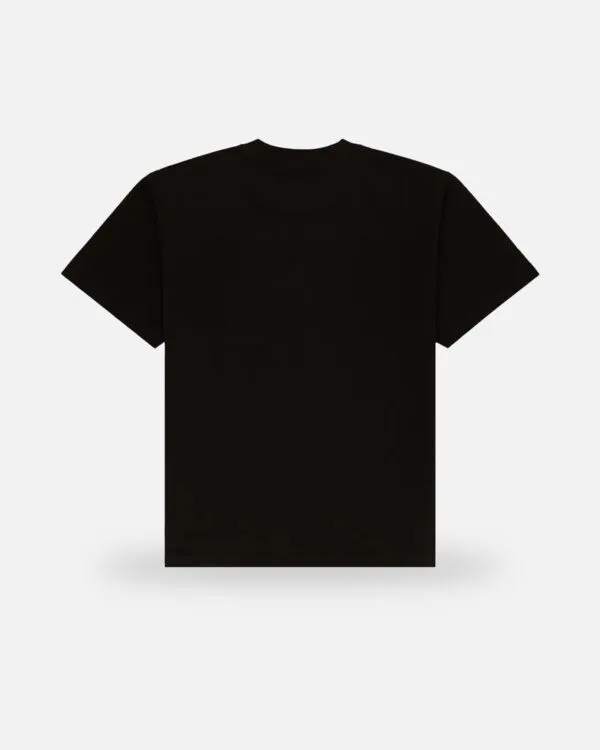
Not everything shouts. A good part of the black, gray and brown stock is printed in the ground color, so the graphic reads as texture rather than as lettering and the piece behaves like a plain garment until somebody is standing close. The near-plain black tee sits right at that quiet end.
Fabric Weights, and Why They Matter
More than the artwork, weight is what separates these from what a high-street rail sells. It is also the first number to check before comparing anything on price.
380 GSM Fleece
Across the range — pullovers, set tops, set legs and separate joggers — the fleece runs at 380 GSM in 100% cotton, brushed on the inside. Where a high-street hoodie usually lands around 280 to 320, this weight stands away from the body instead of draping, holds a hood’s shape when it is down, and keeps a leg’s line rather than clinging.
The tees split between roughly 220 GSM for everyday wear and roughly 330 GSM for the pieces marked heavyweight, both in 100% cotton. The heavier jersey holds a straight hem and a square shoulder and wears closer to a light sweatshirt than to a summer tee.
Fit and Sizing Across the Range
The blocks are shared deliberately, which is the practical reason to buy within one range rather than across several: the size that works on one rail generally works on the next.
One Size, Most of the Time
Tops are cut oversized with the shoulder seam sitting down the arm rather than on the bone, which is what gives a chest graphic a flat panel to print on. Legs are relaxed through the seat with an elasticated drawcord waist and a cuffed ankle. Take your usual size on both, and measure something you already own flat against the Spider Canada size guide rather than trusting the label.
Go down on tops. The dropped shoulder already adds width, so a size up mostly adds length through the sleeve and body and the piece starts to read as oversized rather than relaxed. On legs the drawcord absorbs most of the difference, and the smaller size keeps the cuff at the ankle instead of stacking it over the shoe.
Looking After Print and Fleece
The same two things fail across the whole range, and neither of them is water. Heat lifts a print and shrinks a body; friction wears the printed face.
One Routine That Covers Everything
Wash inside out and cold, skip the bleach, and hang each piece instead of tumbling it. Facing the print inward is the habit that matters most, since it keeps the printed face off the drum and away from the rest of the wash. Crystal-set pieces belong in a mesh bag, because stones lift at the glue line when they catch on a zip. Our product care notes go through it garment by garment.
Press from the inside only and keep the plate off the graphic entirely. Puff lettering flattens permanently once it has had direct heat, and at fleece weight most creases drop out on a hanger anyway.
When to Wear What
This is a cold-weather range for the most part, which suits the market it is sold into. The jersey half carries the warmer months and the fleece half carries everything from October onward.
Autumn, Then Winter
Through October and November a 380 GSM pullover works as the outer layer on its own. From December, it becomes the warm layer under a shell, and the boxy cut is exactly what lets that happen without the sleeves bunching inside a jacket. A tee underneath adds warmth without bulk at the shoulder.
Building One Outfit
A heavy top wants a straight or cuffed leg under it; anything tapered leaves the top looking wider than it is. Start with a pullover and a jersey tee, add the leg either separately or as half of a set, and the proportions take care of themselves. The rest of. the men’s range runs on the same measurements throughout.
What Is Not on the Shelf Yet
Several category pages are live on the site but hold no stock today, and it is more useful to say so than to send you to an empty grid. Each one is kept in place so it is ready the moment the first pieces land, instead of appearing from nowhere later.
The Spider Canada caps are first among them, waiting on an opening run of fitted and trucker shapes before the page goes live with stock.
Knitted Spider Canada beanies sit beside them as the cold-weather accessory still to come, cut to match the fleece rather than to fight it.
The Spider Canada denim rail is held back for washed and printed pieces that have not been cut yet, so it stays quiet for now.
Heavier outerwear lives under the Spider Canada jackets page, which waits on its first layer before it earns a place in the rotation.
Until all of that fills out, the four stocked rails are the whole of it, and the newest pieces are gathered so you never have to work out what changed. Start from the newest Spider Canada arrivals if you have been here before.
Delivery and returns are set out in full on the Spider Canada delivery and returns page, so nothing about an order is left to guesswork.
If this is a first visit instead, the complete range, old and new together, sits in the full Spider Canada shop.
Common Questions About Ordering Here
What sizes does Spider Canada clothing come in?
S, M, L and XL on every piece currently listed. The cut is consistent across garments, so the size that works on a tee will work under a hoodie. The size guide has the flat measurements if you want to check against something you already own.
Are the prints on the front, the back, or both?
It depends on the graphic. OG Web and Phantom run large across the back with a smaller mark at the chest. Web is a front print. The Ponk bottoms carry the lettering down one leg. Each product page says which.
How should I wash a printed piece?
Inside out, cool, and hung to dry rather than tumbled. Heat is what lifts a print, not water. The product care page goes through it properly, including what to do with the heavier lettering.
Which categories have nothing in them yet?
Kids, tracksuits, shorts, short sets, sweaters, accessories, beanies and caps. Those pages are live, so the range is easy to see, but there is nothing to add to a cart on them today.
Can I order a print in a color that is not listed?
No. Each graphic is set up for the colorways shown and nothing else, because the ink has to be matched to the cloth. OG Web is the exception in range rather than in flexibility, with four colorways of its own.
What if the size turns out to be wrong?
Send it back unworn with the tags on and swap it for another size. The returns page sets out how to start that, and the contact page is there if the piece arrived marked or the print looks off.